
Connected Through Healing: How Family Bonds Support Recovery Success
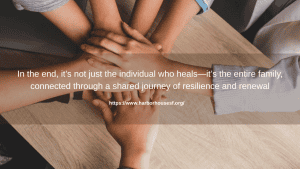 Addiction doesn’t just affect individuals—it impacts entire families. When a loved one begins the journey of recovery, the role of family becomes more than just supportive; it becomes essential. Family bonds, when nurtured and strengthened, can offer a powerful foundation for healing, motivation, and long-term recovery success. Recovery is not just about overcoming addiction—it’s about rebuilding trust, communication, and connection. It’s through these connections that healing becomes a shared experience.
The Power of Emotional Support
A strong family connection can be one of the most significant sources of emotional support for someone in recovery. The early stages of sobriety are often filled with vulnerability, self-doubt, and fear of relapse. In these moments, knowing that family members are present, caring, and committed can be a powerful motivator.
Even simple acts—listening without judgment, expressing love and pride, or showing up for a therapy session—can reinforce a recovering person’s belief that they’re not alone. When family members show consistent support, it reduces the shame and isolation often associated with addiction, helping their loved one feel seen, valued, and encouraged to keep going.
Rebuilding Relationships Through Honesty
Recovery creates an opportunity to repair damaged relationships. Addiction may have caused lies, broken trust, or emotional distance, but recovery invites families to start again. Through open and honest communication, families can begin to address the hurt caused by addiction and work toward rebuilding connection.
This process isn’t always easy, and it may require time, patience, and even professional guidance through family therapy. But each honest conversation and each effort to understand one another brings the family one step closer to healing. It’s through these moments of vulnerability and empathy that bonds are mended and deepened.
Creating a Supportive Environment
The home environment plays a critical role in recovery. Families can actively contribute by creating a stable, supportive atmosphere that prioritizes healing. This might involve setting clear boundaries, removing triggers from the home, encouraging healthy routines, and respecting recovery commitments like meetings or therapy sessions.
When the home is a safe and predictable space, it becomes a refuge rather than a source of stress. This type of support system provides a sense of security, helping the individual stay focused and grounded during their recovery journey.
Growing Together
Recovery is not just about changing the person with the addiction—it often transforms the entire family. Many families discover new levels of strength, understanding, and unity as they move through the recovery process together. They learn to communicate more openly, support each other more effectively, and appreciate the resilience that comes from shared struggle.
These strengthened family bonds become a source of lasting support. They provide encouragement during setbacks, celebrate milestones, and remain a constant through the ups and downs of recovery.
Conclusion
Healing through connection is at the heart of long-term recovery success. When families come together with compassion, honesty, and support, they create a powerful network that reinforces sobriety and personal growth. In the end, it’s not just the individual who heals—it’s the entire family, connected through a shared journey of resilience and renewal.